

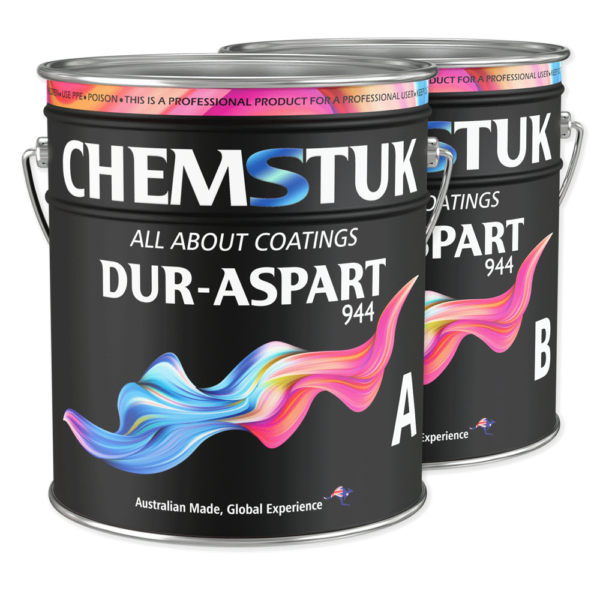
DUR-ASPART PA-944 | POLYASPARTIC FLOOR COATING
DUR-ASPART PA-944 | POLYASPARTIC FLOOR COATING
$328.90
Dur-Aspart PA-944 is a two pack clear polyaspartic floor coating with a super gloss, UV stable finish that does not yellow. An 8 L kit covers up to 50 square metres, with foot traffic in 24 hours. Pot life is 30 minutes, so plan the job before you mix. Some products might not be available in the stock so, it can take 7-10 working days to get them available at the store. We will send you a confirmation once your order will be ready for pick up or delivery. Orders placed over the weekend/public holiday will be processed on next working day. Any Question Give us a call on (03) 93941400 or email us on orders@singhroofingsupplies.com.au
SSL Protection
128 Bit SSL Certificate
Quick Shipping
Fast Shipping Australiawide
100% Satisfaction
We Put You First
The Full Kit
More Information
Overview
Polyaspartic is what you use when the floor has to be back in service tomorrow and still look right in five years. Dur-Aspart PA-944 cures fast, it does not yellow, and it holds a gloss that epoxy loses within a season of daylight.
That is what you are paying for. Epoxy chalks and ambers under sun, and aromatic polyurethanes yellow. A polyaspartic does neither, so on a garage with the door open or a flake floor that gets afternoon sun, this is the finish that survives. On a floor that never sees light, a cheaper epoxy glaze does the same job for less.
Key Features
- Two pack aliphatic polyaspartic, clear
- Super gloss finish, UV stable and non yellowing
- Fast curing, so a workshop is shut for a day rather than most of a week
- Rated to 80 degrees Celsius in service
Specifications
- Mix ratio: 1 part A to 1 part B, by volume
- Pot life: 30 minutes at 25 degrees Celsius
- Solids by weight: 60 plus or minus 5 percent
- Build: 160 microns wet film per coat
- Coverage: 6.25 square metres per litre, so up to 50 square metres from an 8 litre kit and around 190 square metres from 30 litres
- Recoat: 8 to 72 hours, with two coats recommended
- Foot traffic: 24 hours. Full cure: 7 days
- VOC: maximum 350 g per litre. Flash point: 32 degrees Celsius
- Clean up: xylene
Applications
- Garage and workshop floors
- Showrooms and retail floors
- Wear coat over epoxy flake systems
Thirty Minutes. Plan For It.
This is the thing to understand before you open the kit. Once Part A and Part B are together you have half an hour at 25 degrees Celsius, and less on a warm slab. Have the floor prepared, taped and ready before you mix, mix in small batches rather than the whole kit, and work in sections you can finish. Applicators who use polyaspartic regularly like it precisely because it is fast. If you have only ever used epoxy, it will feel like it is getting away from you the first time.
What You Need to Complete the Job
Over a flake floor, coat inside the recoat window of the basecoat for a chemical bond, or abrade to a uniform matt, vacuum and solvent wipe first. The flake itself is Color Chips and the tinted basecoat under it is Indopox E6-133. If the floor needs grip, get Grip-PE 711 into the batch at the start rather than partway through, because with half an hour of working time there is no second chance. The rest of the system is on the Chemstuk brand page.
Frequently Asked Questions
When can I walk on it and when can I park on it?
Foot traffic after 24 hours, vehicles after seven days. It keeps hardening chemically for the full week, so driving onto it on day three presses tyre marks into the surface.
Is it better than epoxy?
It is different. Epoxy builds a thicker film for less money. Polyaspartic cures faster and holds its colour in sunlight. On a shaded warehouse floor epoxy is usually the sensible choice.
How much does a kit cover?
About 6.25 square metres per litre at 160 microns wet, so up to 50 square metres from 8 litres. Porous or freshly ground concrete takes more, and two coats are recommended.
How hot can the floor get?
Chemstuk rates it to 80 degrees Celsius in service, which covers hot tyres, sun exposed slabs and most workshop conditions. For steam cleaning or thermal shock, specify the polyurethane cement system instead.
Related Products
Related products
-
 Concrete Coatings
EPOXY GLAZE SEALER
-
Concrete Coatings
PAVE COVER PC-631 | PAVING PAINT
-
Concrete Coatings
LIQUID LASTIC PU-991 | WATERPROOFING MEMBRANE
-
Concrete Coatings
QUICK FILL PE-115 | CONCRETE FILLER