

Dulux Avista Hydrochloric Acid
Dulux Avista Hydrochloric Acid
$26.00 – $90.00Price range: $26.00 through $90.00
Dulux Avista Hydrochloric Acid. A professional-grade acid for cleaning and etching concrete before coating. Removes laitance, opens the pores for better sealer adhesion. Dilute before use.
SKU
N/A
Category Concrete Sealers
SSL Protection
128 Bit SSL Certificate
Quick Shipping
Fast Shipping Australiawide
100% Satisfaction
We Put You First
The Full Kit
More Information
Overview
The Dulux Avista Hydrochloric Acid is a professional-grade acid for cleaning and etching concrete before a coating is applied. It removes laitance, opens the pores of the concrete for better sealer adhesion, and cleans efflorescence and mortar smears from the surface.
Etching is the step that gives a coating a surface it can actually grip. Applied to a prepared slab at the right dilution, the acid roughens the surface profile and lifts contamination, so the primer and sealer bond properly. It is a powerful product and must be handled with the right protective gear.
Key Features
- Cleans and etches concrete before coating
- Removes laitance and opens the pores for sealer adhesion
- Cleans efflorescence and mortar smears
- Professional-grade dilution for concrete preparation
- Must be used with appropriate PPE
- Available in 5L and 20L
Specifications
- Pack sizes: 5L and 20L
- Use: clean and etch concrete before coating
- Handling: dilute according to instructions, add acid to water never water to acid
- PPE: gloves, goggles and protective clothing required
Applications
- Etching a new slab before sealing
- Cleaning laitance off fresh concrete
- Preparing concrete for the Resurfacing Primer
- Removing efflorescence before coating
What You Need to Complete the Job
Dilute the acid as directed, always adding acid to water, and apply to the prepared surface, then rinse thoroughly and let it dry. Follow with a Resurfacing Primer before an overlay, or a sealer such as the Waterbased Sealer for a prepared slab. The coating system is in the Concrete Sealers range.
Frequently Asked Questions
Why do I need to etch concrete before sealing?
Etching opens the surface and removes laitance so a sealer or primer can mechanically grip the concrete. On a smooth, dense or laitance-covered slab, a coating can sit on the surface and peel. The etch step gives the new coating a profile to bond to, and it is worth doing properly because a coating is only as good as the surface underneath it.
How do I handle and dilute the acid safely?
Always add acid to water, never the reverse, and do it slowly to control the heat of the reaction. Wear chemical-resistant gloves, goggles and protective clothing, work in a ventilated area, and keep the acid away from metal, painted surfaces and vegetation. Follow the dilution rate on the product instructions.
Do I need to neutralise after etching?
Rinse the surface thoroughly with clean water after etching to remove the acid and the material it has lifted. The surface must be dry before a primer or sealer goes on. Check the product instructions for the recommended rinse and neutralising process for your job.
| Size | 5L, 20L |
|---|
Related Products
Related products
-
 Concrete Sealers
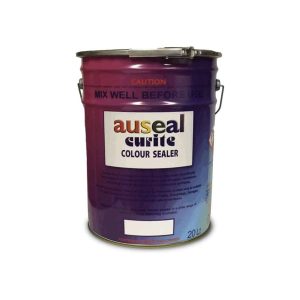
AuSeaL 20lt Coloured Sealer
-
Concrete Sealers
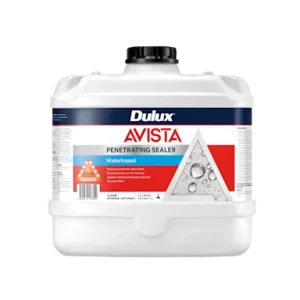
Dulux Avista Water Based Penetrating Sealer
-
 Concrete Sealers
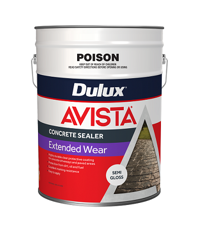
Dulux Avista Sealer Extended Wear Sealer
-
Concrete Sealers
Dulux Avista Waterbased Epoxy PtB Hardener 5L