


DRILL D105 8.0mm JOBBER Viper DIN338 HSS Carded
DRILL D105 8.0mm JOBBER Viper DIN338 HSS Carded
$12.00
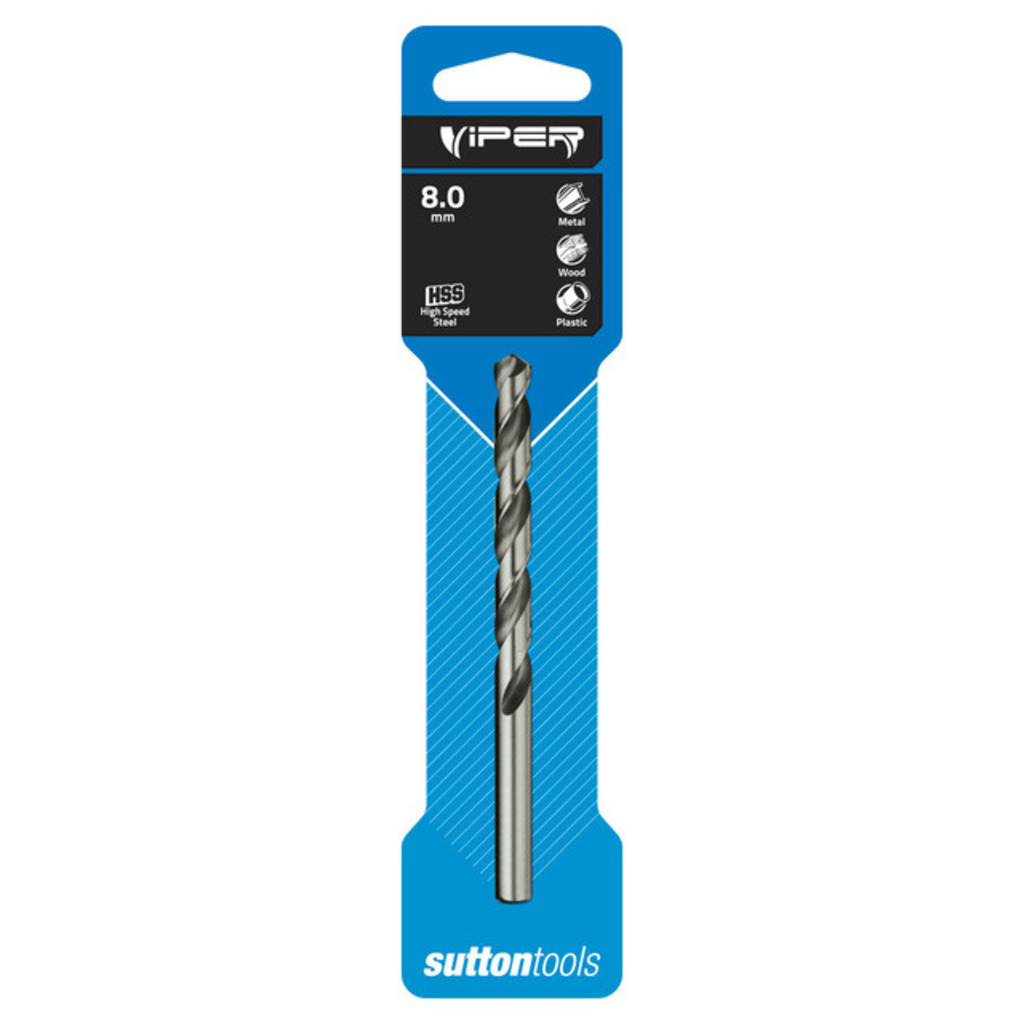
Sutton Viper D105 8.0mm HSS jobber drill bit with a self centering split point for clean starts in steel, aluminium, brass, wood and plastics. Carded single.
SSL Protection
128 Bit SSL Certificate
Quick Shipping
Fast Shipping Australiawide
100% Satisfaction
We Put You First
The Full Kit
More Information
Sutton Viper D105 8.0mm HSS Jobber Drill Bit
The Sutton Viper D105 is an 8.0mm high speed steel jobber drill bit, made to DIN338 dimensions and sold carded as a single bit. Eight millimetre is a heavy workhorse size, the standard clearance for M8 bolts and a common pilot for larger fixings. The Viper point is a 118 degree split point that self centers on the mark, starts clean without walking, and cuts up to 2 times faster than a conventional HSS bit with noticeably less pressure.
Key Features
- Viper point design delivers up to 2 times faster drilling than conventional HSS bits
- 118 degree self centering split point
- DIN338 HSS jobber geometry in an 8.0mm diameter
- Reduced drilling pressure for better control
- Suits machine and hand held drilling
- Carded single bit
Specifications
- Diameter: 8.0mm
- Type: HSS jobber drill bit, DIN338
- Model: D105
- Point: 118 degree split point, self centering
- Materials: steel, aluminium, brass, wood and plastics
Applications
- Clearance holes for M8 bolts and screws
- Pilot holes for M10 and M12 fasteners
- Drilling steel, aluminium and brass
- Timber and plastic drilling on site
What You Need To Complete The Job
An 8.0mm bit needs a drill with torque; a corded drill or a strong 18V cordless handles it easily. For masonry work, change to an SDS masonry drill, and for very large holes follow with a pilot drill. The rest of the fastening range is in General Hand Tools.
Frequently Asked Questions
What is a clearance hole?
A clearance hole is the hole a bolt passes through without the threads biting. For an M8 bolt that is an 8mm clearance hole, which lets the bolt slide through while the nut or tapped hole does the holding. An 8mm HSS bit is exactly the right tool for that job.
What is an 8mm drill bit used for?
An 8mm HSS bit is the standard clearance size for M8 bolts and a common pilot for M10. It is the size you reach for with steel brackets, hinges, machine mounts and general fabrication work.
What speed should I run an 8mm bit at?
Use a moderate to fast speed in steel with a steady feed and cutting oil. At 8mm the bit has plenty of body, so it takes a firm feed without flexing, but do not let the edge overheat.
Can I drill through thicker steel plate?
Yes, with a little patience. Start with the split point, feed steadily, and use lubricant. For thick plate, drilling a smaller pilot first reduces the load and keeps the hole straight.
Is an 8mm bit useful for timber work?
Yes, it clears holes in timber for M8 bolts, coach screws and similar fixings. Back the bit out now and then to clear sawdust and keep the hole clean.
| Weight | 0.05 kg |
|---|---|
| Dimensions | 4.5 × 1.0 × 19.5 cm |
Related Products
Related products
-
 General Hand Tools
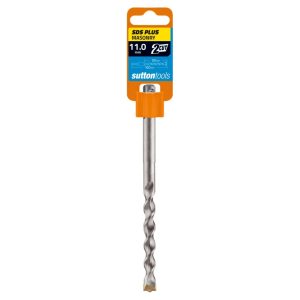
DRILL MASONRY D613 2X CUTTER SDS + 11X160 YELLOW
-
General Hand Tools
NUTSETTER MAGNETIC S132 5/16IN 150MM POWER 1PK SUPABIT
-
Carpentry Tools
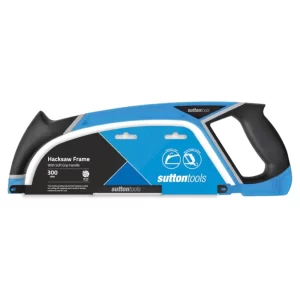
HACKSAW HIGH TENSION 300MM H315 SUTTON
-
General Hand Tools
SCREWDRIVER BIT S151 PHILLIPS PH2 50MM POWER 5PK SUPABIT