
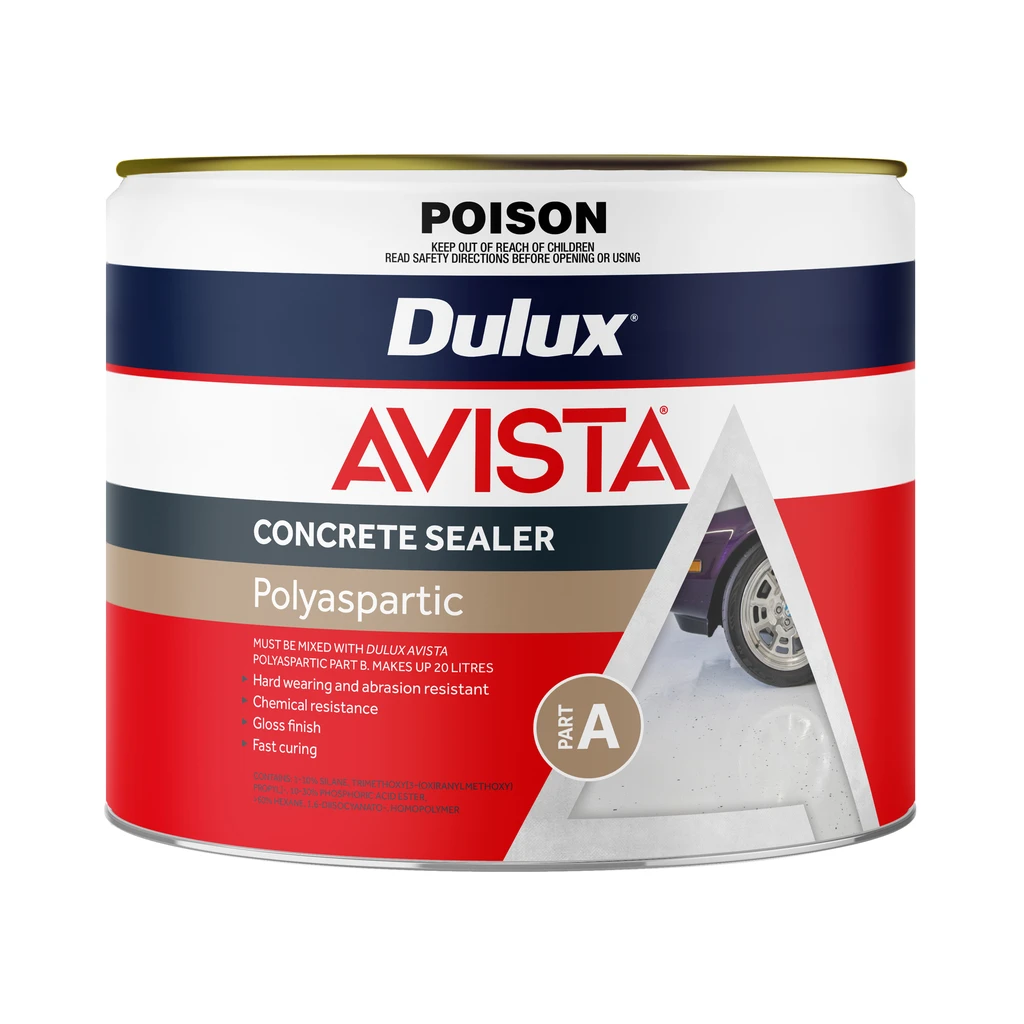
Dulux Avista Polyaspartic Sealer Part A 10L
Dulux Avista Polyaspartic Sealer Part A 10L
$780.00
Dulux Avista Polyaspartic Sealer Part A 10L. The resin half of a two-part, solvent-free polyaspartic coating. Single-coat application, walkable in 1-2 hours. Mix 1:1 with Part B.
SKU
FD278058-10L
Category Concrete Sealers
SSL Protection
128 Bit SSL Certificate
Quick Shipping
Fast Shipping Australiawide
100% Satisfaction
We Put You First
The Full Kit
More Information
Overview
The Dulux Avista Polyaspartic Sealer Part A is the resin component of a two-part, solvent-free polyaspartic clear gloss coating. Mixed with the Polyaspartic Sealer Part B in equal parts, it gives a single-coat sealer that cures fast, with foot-traffic-ready surfaces in 1 to 2 hours and light vehicle traffic in 24 hours.
Polyaspartic chemistry is the latest advance in concrete coatings. Compared with epoxy and urethane, it offers faster cure, strong UV stability, superior abrasion resistance and a wider application temperature range, which makes it the choice for commercial and high-end residential projects where downtime is costly.
Key Features
- Single-coat system, full protection in one application
- Walkable in 1 to 2 hours, light vehicle traffic in 24 hours
- Solvent-free with low VOC
- UV, chemical and abrasion resistant
- Interior and exterior use
- Gloss finish that enhances decorative concrete
Specifications
- Pack size: 10L
- Mix ratio: 1:1 by volume with Part B
- Pot life: about 40 minutes at 20 to 30 degrees
- Foot traffic: 1 to 2 hours; light vehicle traffic 24 hours; recoat window 1 to 18 hours
- Coverage: 5 to 12.5 m2 per litre
- Application: squeegee and roller
Applications
- Garages and car parks
- Hospitals, schools and roadways
- Commercial kitchens
- High-end residential floors where downtime matters
What You Need to Complete the Job
Stir the Polyaspartic Sealer Part B, mix equal volumes of Part A and Part B, and apply with a squeegee and back-roll within the 40-minute pot life, using a two-person team on larger areas. For a longer-working-time alternative, the 2 Pack Urethane gives a 3 to 4 hour pot life. The system is in the Concrete Sealers range.
Frequently Asked Questions
What makes polyaspartic better than epoxy or urethane?
Polyaspartic combines single-coat application, very fast cure, a solvent-free formula and strong UV stability. Epoxy chalks in sunlight and takes longer to cure, and urethane usually needs a longer cure. The trade-off for polyaspartic is a short 40-minute pot life that requires efficient work and ideally a two-person team.
Can I really achieve full protection with one coat?
Yes. The polyaspartic chemistry builds a thicker film and full protection in a single application, unlike traditional sealers that rely on multiple thin coats. Coverage must be managed carefully, because applying too thinly compromises protection. Stick to the recommended 5 to 12.5 m2 per litre.
How do I manage the 40-minute pot life on a large area?
Plan ahead and divide the area into sections. Mix small batches of about 4L, enough for roughly 20 to 50 square metres, and use a two-person team, one mixing and pouring, the other spreading and rolling. Work in cooler conditions to extend the pot life, and never go back over a section that has started to set.
Is polyaspartic safe for food preparation areas?
Yes. The solvent-free, low-VOC formulation makes it suitable for commercial kitchens and food processing areas where air quality matters. Once fully cured, the coating is inert and safe for food contact surfaces.
Related Products
Related products
-
 Concrete Sealers
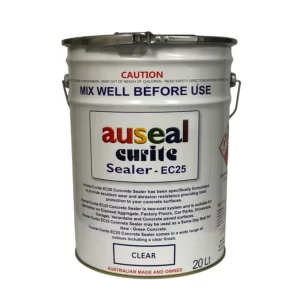
AuSeal 20lt Clear EC25
-
Concrete Sealers
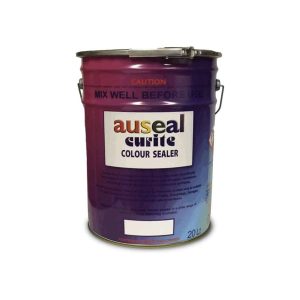
AuSeaL 20lt Coloured Sealer
-
Sale!Concrete Sealers
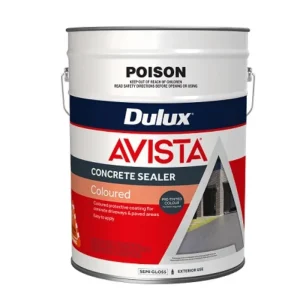
Dulux Avista Coloured Concrete Sealer 10L
-
Concrete Sealers
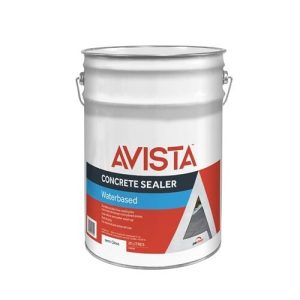
Dulux Avista Sealer Waterbased 20L