

HOLESAW H125 BI-MET COBALT M42 63MM (2.1/2) WHITE
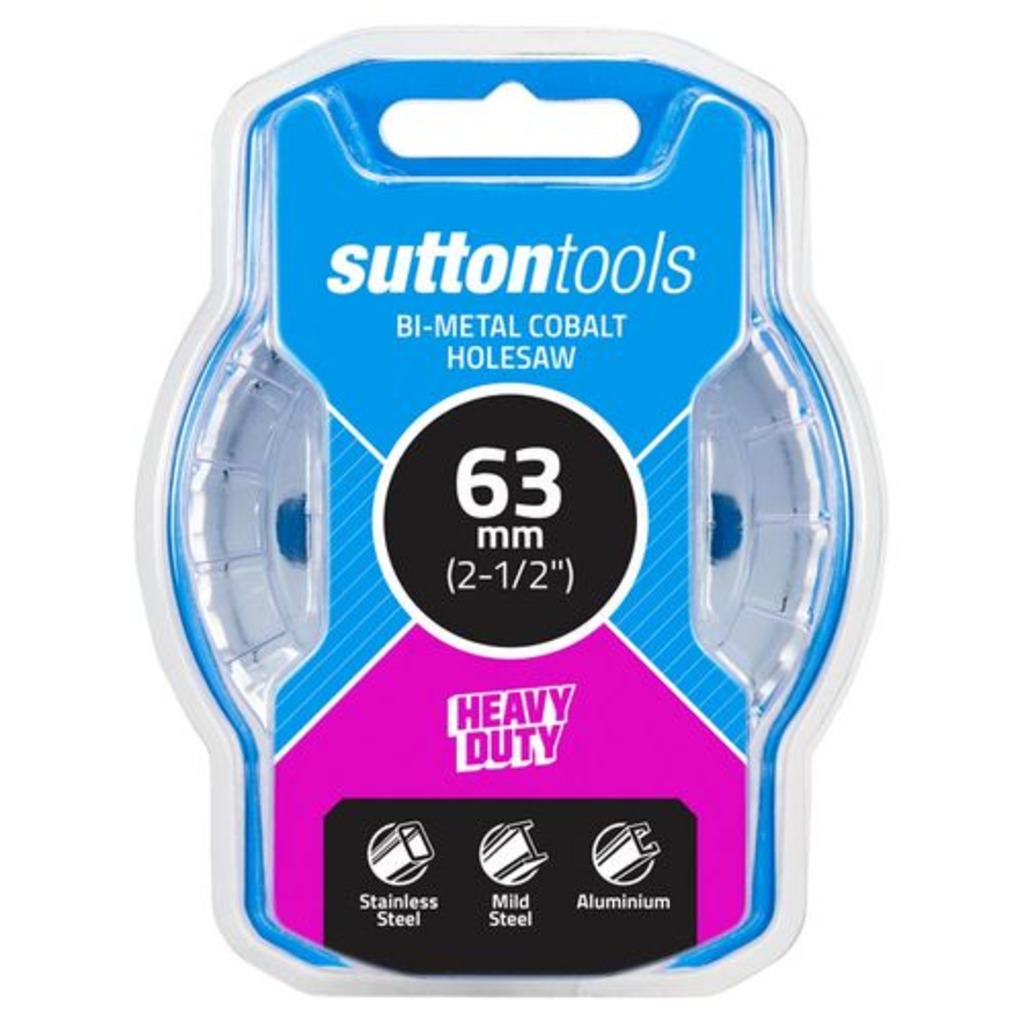
HOLESAW H125 BI-MET COBALT M42 63MM (2.1/2) WHITE
$35.50
Sutton H125 63mm (2 1/2 inch) bi-metal cobalt M42 holesaw, 32mm cutting depth, UA3 or QFX arbor with BD24 or BD26 pilot. For pipe, vent and duct holes in metal and timber.
SSL Protection
128 Bit SSL Certificate
Quick Shipping
Fast Shipping Australiawide
100% Satisfaction
We Put You First
The Full Kit
More Information
Sutton H125 63mm Bi-Metal Cobalt M42 Holesaw
The Sutton H125 is a 63mm holesaw, the 2 1/2 inch size, made from bi-metal cobalt HSS and built for the bigger penetrations in pipe, vent and duct work. It cuts to a 32mm depth and suits machine or hand drilling in steel, stainless steel, cast iron, non-ferrous metals, plastic and wood. At this size the saw moves onto the UA3 or QFX arbor class, which gives the larger rim the firmer mount it needs.
Key Features
- Bi-metal cobalt HSS for toughness and longer life
- 32mm cutting depth
- International thread standard accepts all standard arbors
- Listed for the UA3 or QFX arbor
- Suits machine or hand held drilling
- Cuts steel, stainless steel, cast iron, non-ferrous metals, plastic and wood
Specifications
- Diameter: 63mm (2 1/2 inch)
- Model: H125, white label series
- Material: bi-metal cobalt HSS
- Cutting depth: 32mm
- Thread: international thread standard
- Arbor and pilot: UA3 or QFX arbor, BD24 or BD26 pilot drill
Applications
- Plumbing and drainage pipe holes through floors
- Exhaust and vent openings in metal and timber
- Duct entries through walls and roofs
- Large cable penetrations
- General site fabrication
What You Need To Complete The Job
Set the 63mm saw up on a Sutton quick fit arbor with a BD26 pilot drill, and use a cutting lubricant when working in metal. For concrete or brick, switch to an SDS masonry drill. More cutting gear is under Carpentry Tools.
Frequently Asked Questions
What is a 63mm holesaw used for?
A 63mm holesaw suits pipe and duct penetrations that need a hole just over 2 and a half inches, including 50mm drainage pipe entries through floors and walls, exhaust vents, and cable runs. It is a size plumbers and roof plumbers reach for often.
Will a 63mm saw work in a hand held drill?
It can, in timber and thin sheet, if the drill has torque and you feed steadily. For steel plate or a run of holes, a pillar drill or a low-speed drill is the better tool. The key is a sharp pilot, a tight arbor and patience on the feed.
How do I know when to replace the saw?
When the teeth stop cutting and start rubbing, and a resharpening does not bring the edge back, the saw has done its run. A dull holesaw burns the work and takes far longer. Keeping a lubricant on metal cuts extends the life of the teeth.
Does the 32mm depth limit what I can cut?
It covers single skin roofing, wall cladding, timber framing and most panels. For thicker material, drill through, clear the core and continue from the far side. That keeps the holesaw working well beyond its single pass depth.
| Weight | 0.2 kg |
|---|---|
| Dimensions | 9.5 × 6.5 × 12.5 cm |
Related Products
Related products
-
 Carpentry Tools
Recip Blade H506 Demo Wood 225x22x1.57mm 6TPI BiMt HYPER 2PK
-
Carpentry Tools
OX TRADE BLACK LEATHER HAMMER HOLDER – SWIVEL
-
Carpentry Tools
HOLESAW H125 BI-MET COBALT M42 22MM (7/8) WHITE
-
Carpentry Tools
HOLESAW SET H127 M/Purpos PLUMBR 19,20,22,35,44,51,64,92,111