

DRILL D105 3.0mm JOBBER Viper DIN338 HSS Carded
DRILL D105 3.0mm JOBBER Viper DIN338 HSS Carded
$3.75
Sutton Viper D105 3.0mm HSS jobber drill bit, DIN338 with a self centering 118 degree split point. Drills steel, aluminium, brass, wood and plastics. Carded single.
SSL Protection
128 Bit SSL Certificate
Quick Shipping
Fast Shipping Australiawide
100% Satisfaction
We Put You First
The Full Kit
More Information
Sutton Viper D105 3.0mm HSS Jobber Drill Bit
The Sutton Viper D105 is a 3.0mm high speed steel jobber drill bit made to DIN338 dimensions and sold carded as a single bit. Sutton developed the Viper point for the industrial trades person and the home handy person, and it suits both machine and hand held drilling in steel, aluminium, brass, wood and plastics. The split point geometry is what sets it apart from a standard HSS drill: it self centers when you start the hole, so the bit does not wander, and it needs less pressure to keep cutting.
Key Features
- DIN338 HSS jobber geometry in a 3.0mm diameter
- 118 degree split point that is self centering for a clean start
- Viper point design delivers up to 2 times faster drilling than conventional HSS bits
- Suits machine and hand held drilling
- Drills ferrous and non ferrous materials
- Carded single bit for the toolbox
Specifications
- Diameter: 3.0mm
- Type: HSS jobber drill bit, DIN338
- Model: D105
- Point: 118 degree split point, self centering
- Materials: steel, aluminium, brass, wood and plastics
Applications
- Pilot holes for tapping and screw fixing in steel
- General metal drilling in sheet and section
- Drilling aluminium, brass and copper workpieces
- Wood and plastic drilling on the job
What You Need To Complete The Job
A 3.0mm bit suits a standard corded or cordless drill, run fast with a light feed. For concrete or brick work, step up to an SDS masonry drill, and for drilling larger holes in steel follow with a pilot drill from the range. More fastening gear lives in General Hand Tools.
Frequently Asked Questions
What is a 3mm HSS drill bit used for?
A 3mm HSS bit is a common pilot size for small machine screws and self tappers in metal, and it opens out to a 3.2mm or 3.5mm tapping size for a range of fine threads. It is one of the most used sizes in a jobber drill set.
What speed should I use for a 3mm bit in steel?
A 3mm HSS bit wants a fast spindle speed and a gentle feed in mild steel. If the bit starts to smoke or the steel discolours, ease off the pressure; forcing a small bit at low speed is what snaps it.
Does the split point remove the need for centre punching?
In most cases, yes. The 118 degree split point grips the surface and stops the bit walking, so you can start straight on the mark. On hardened or polished surfaces a light centre punch is still worth doing.
Can this bit be sharpened?
Yes, a jobber bit can be resharpened on a bench grinder, but keep the point angles close to the original split point geometry. Once it is obviously worn, many trades people simply replace a carded bit of this price.
| Weight | 0.07 kg |
|---|---|
| Dimensions | 4.5 × 0.2 × 14.2 cm |
Related Products
Related products
-
 General Hand Tools
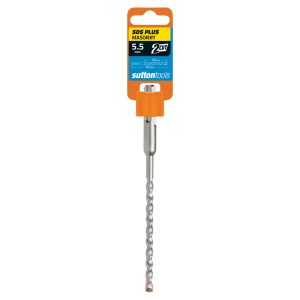
DRILL MASONRY D613 2X CUTTER SDS + 5.5X160 YELLOW
-
General Hand Tools
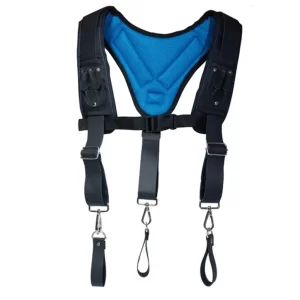
OX TOOLS TRADE SUSPENDERS PADDED TOOL BELT
-
General Hand Tools
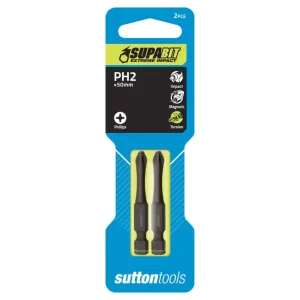
SCREWDRIVER BIT S150 PHILLIPS PH2 50MM POWER 2PK SUPABIT
-
General Hand Tools
DURUM 1/4-Hex to 1/4-Drive Socket Adaptor Bit