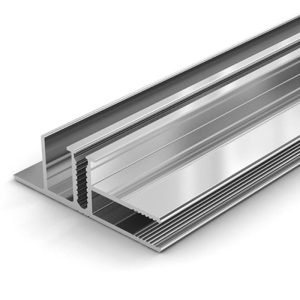


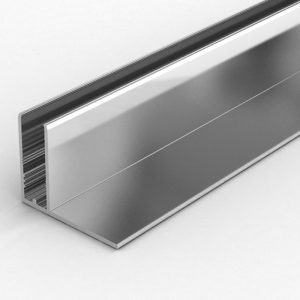

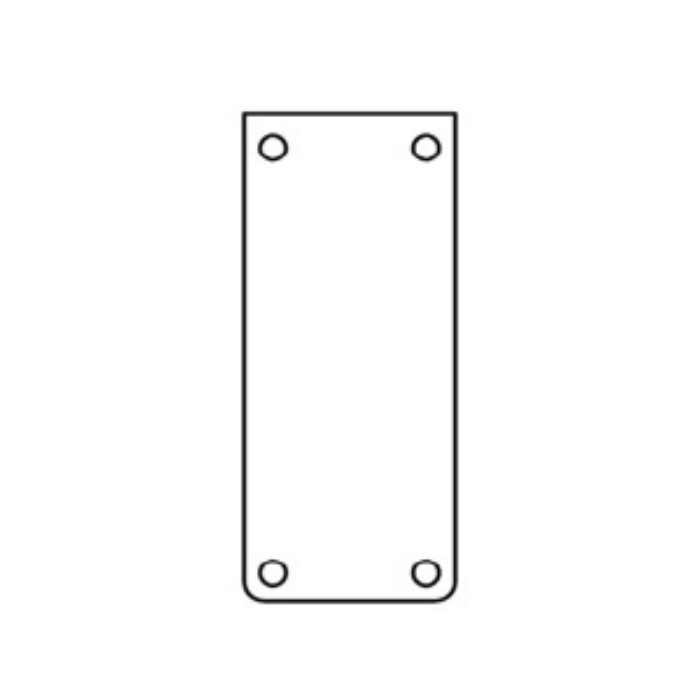
Aluminium Sunglaze Rafter End Cap Anodised 100 X 65
Aluminium Sunglaze Rafter End Cap Anodised 100 X 65
$8.36
Anodised aluminium end cap for the Sunglaze 100mm rafter, seals rafter ends and finishes the run.
SKU
9020634
Category Sunglaze
SSL Protection
128 Bit SSL Certificate
Quick Shipping
Fast Shipping Australiawide
100% Satisfaction
We Put You First
The Full Kit
More Information
Sunglaze Rafter End Cap Anodised 100×65
The Sunglaze Rafter End Cap is a 100mm x 65mm anodised aluminium cap that seals the exposed ends of the Sunglaze 100mm rafter. It serves two jobs: it acts as a mechanical stop that helps prevent the panels from migrating along the rafter, and it closes the hollow profile so the rafter end looks finished rather than cut off.
The anodised finish gives the cap a hardened, corrosion-resistant surface that keeps its metallic lustre without peeling or flaking, which is exactly what you want in harsh coastal and exposed positions. Being extruded aluminium, it is far more durable than a plastic cap and will not become brittle with the thermal movement of the roof.
Each cap is sized to fit the standard Sunglaze rafter profile precisely. It is a small part that finishes the line of the roof and blocks spiders, insects and wind-blown dust from getting inside the rafter channels.
Key Features
- Anodised aluminium with a hardened, corrosion-resistant surface
- 100mm x 65mm, sized for the Sunglaze rafter
- Mechanical stop that helps prevent sheet migration
- Seals the rafter end against insects and debris
- Durable and low maintenance, no painting needed
Specifications
| Material | Anodised aluminium |
| Size | 100mm x 65mm |
| Function | Seals the end of the Sunglaze 100mm rafter |
| System | Sunglaze standing seam polycarbonate roofing |
Applications
- Sealing the ends of the Sunglaze 100mm rafter
- Finishing the rafter line on verandas and pergolas
- Coastal and exposed installations
What You Need To Complete The Job
The end cap fits over the Sunglaze 100mm aluminium rafter, one per exposed rafter end. It works with the rest of the Sunglaze joiners and panels, all in the Sunglaze category.
Frequently Asked Questions
Why does the rafter end need a cap?
The rafter is a hollow aluminium profile, so an exposed end is an open channel. The cap seals it against insects, debris and moisture, and gives the rafter a clean, square-cut finish instead of a raw end.
Does the cap help hold the panels in place?
Yes. It acts as a mechanical stop at the end of the rafter, which helps prevent the panels from sliding or migrating along the rafter over time.
What does the anodised finish do?
Anodising is an electrochemical process that creates a hard, weather-resistant layer on the aluminium. It protects the cap against oxidation and corrosion, so it keeps its metallic finish without peeling or flaking, even in coastal positions.
How many caps do I need?
One per exposed rafter end. Count the number of rafter ends that will be visible on the finished roof and order that many, plus a spare.
Is the cap aluminium or plastic?
It is extruded aluminium with an anodised finish. That makes it far more durable than a plastic cap, which can become brittle over years of thermal movement.
Related Products
Related products
-
 Sunglaze
Sunglaze Side Base 6.0m
-
Sunglaze
Aluminium Sunglaze Cover
-
Sunglaze
Sunglaze Infill Foam 800mm
-
Sunglaze
Aluminium 10mm F Section 6.0m