Should you own a home or business property in Australia with a corrugated metal roof, you may already know how strong and low-maintenance this roofing choice is. Corrugated metal’s weather resistance, long life, and modern appearance draw many individuals. Typically neglected, though, is ventilation. Good roof ventilation is crucial for the comfort of your home, the longevity of your roof, and the efficiency of your building.
The Meaning of Roof Vents
Roof vents are a necessary part of your roof; more than just an ornament. Without enough ventilation, heat and humidity could build up in the roof area. Among the problems this may cause are insulation problems, distorted or rusted metal, and perhaps even greater energy expenses. Trapped heat in more heated regions of Australia might make your work or residential quarters unbearably warm. In moist areas, moisture can hasten wood decay and encourage mould development.
Adding roof vents helps to improve airflow and so lets hot air to escape and fresh air in. This improves inside comfort and reduces energy use in addition to lengthening the life of your roof. Consider roof vents as the lungs of your roof; they help it to breathe.
Varieties of Corrugated Metal Roofing Vents
There are several roof vent options available for corrugated metal roofs:
1. Ridge Vents
At the top of the roof are ridge vents. They are ideal for constant airflow across the roof. Larger buildings or those with vast roof surfaces benefit most from ridge vents since they cover the whole length of the roof.
2. Soffit Vents
Soffit vents are situated under the roof’s eaves. Working in tandem with ridge vents, they let cooler air below into the roof space as warmer air exits through the ridge. This setup ensures continuous ventilation, therefore preventing moisture and temperature buildup.
3. Turbine Vents
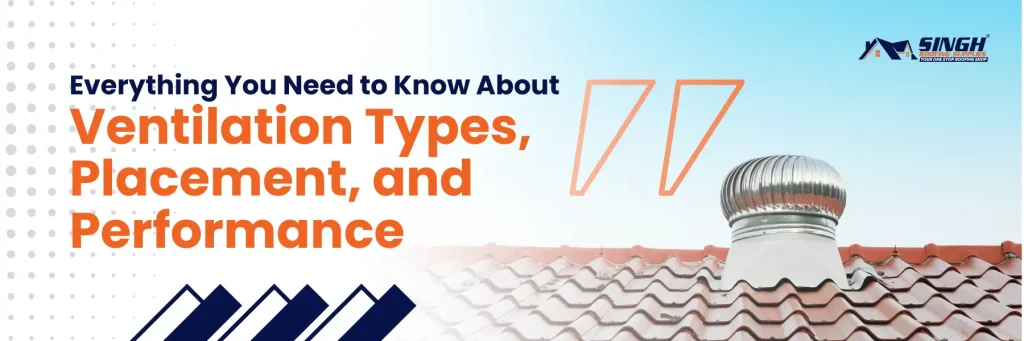
Whirlybirds, often known as turbine vents, gather air from the roof surface. They use wind energy. Though their performance differs depending on the regional weather and wind conditions, they might be very effective in windy areas.
4. Box Vents
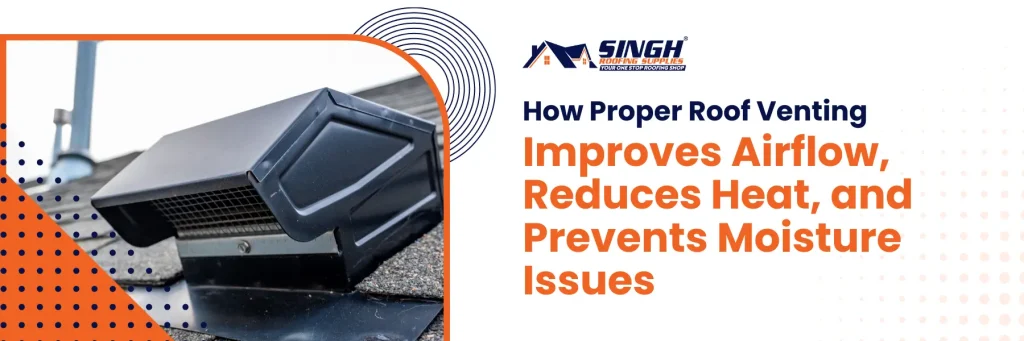
Box vents are static vents put close to the roof peak. They lack turbines’ moving parts but do let hot air escape naturally, hence providing passive ventilation. Most of the time set up in multiples for larger roofs.
Your home’s ventilation needs, location, and roof size will guide your choice of kind.
Performance Impact from Roof Vent Placement
Placement determines the kind of vent much less than it does. For best airflow, vents should be placed to enable low-spot air entry and high-level exit. On corrugated metal roofs, this usually calls for installing soffit vents at the eaves with ridge or box vents down the roof crest. The airflow needs to be constant; therefore, careful scheduling around skylights, chimneys, or solar panels could be required.
Poor ventilation or incorrect placement might cause “hot spots” in the roof space. These locations gather moisture and heat that might deteriorate the roofing material and lower insulation effectiveness.
Advice on Installing Corrugated Metal Roofing
Corrugated metal roof vents call for great precision. Panels must be correctly cut and sealed to prevent leaks. Most roof vents are meant to fit standard corrugation profiles; therefore, it’s very important to make sure the vent is well seated and fastened with the right hardware. Waterproofing is clearly vital. Gaskets or flashes around every vent help to maintain the integrity of the roof.
Though expert installation is often suggested, especially for larger roofs or business structures, some vent systems are simple for DIY aficionados to set up. Experienced roofers understand how to maintain the waterproofing of the roof and get the best performance for ventilation.
Benefits of Well-Ventilated Corrugated Metal Roofs
Correctly vented roofs offer several advantages:
- Longer Roof Lifespan: Lower heat and moisture accumulation prevent insulation damage, rust, and corrosion, hence extending roof life.
- Energy Efficiency: Less reliance on air conditioning reduces energy costs by means of cooler roof surfaces.
- Better Interior Comfort: Well-ventilated roofs preserve more consistent interior temperatures.
- Wholesome House Environments: Lower moisture levels help to inhibit mildew and mould development.
Solar panels, insulation, and wooden constructions survive with sufficient ventilation.
Keeping your corrugated metal roof in good condition across Australia’s range of temperatures, from the hot summers of Western Australia to Queensland’s tropical humidity, depends critically on roof vents.
Conclusion
Choosing the right roof vents means considering local climate, roof size, and material compatibility. Some vents are designed to suit Colorbond steel profiles, helping maintain your roof’s appearance while improving airflow. Investing in durable, weatherproof vents can reduce long-term repair and energy costs, and seeking advice from Singh Roofing Supplies can help you select the most suitable option for your corrugated metal roof.
Once installed, roof vents require minimal maintenance. Regular inspections and keeping vents clear of debris ensure consistent performance and proper airflow. While often overlooked, quality ventilation plays a key role in roof longevity and indoor comfort, and Singh Roofing Supplies provides reliable solutions to help protect your roof for years to come.